.png)
How to Make Your Bathroom More Energy Efficient and Cost-Effective

By: Jackie Kaufman
A bathroom is one of the most versatile areas of the home. It is just as much a utilitarian feature of day-to-day life as it is a much-needed sanctuary.
Homeowners can drop a boatload of money into their bathrooms as they attempt to get them to wear these multiple hats. In addition, the constant demand for ideal lighting and hot water can turn them into an energy pit if not carefully constructed.
With this in mind, keep reading as we explore some straightforward ways to make your bathroom more energy efficient and cost effective.
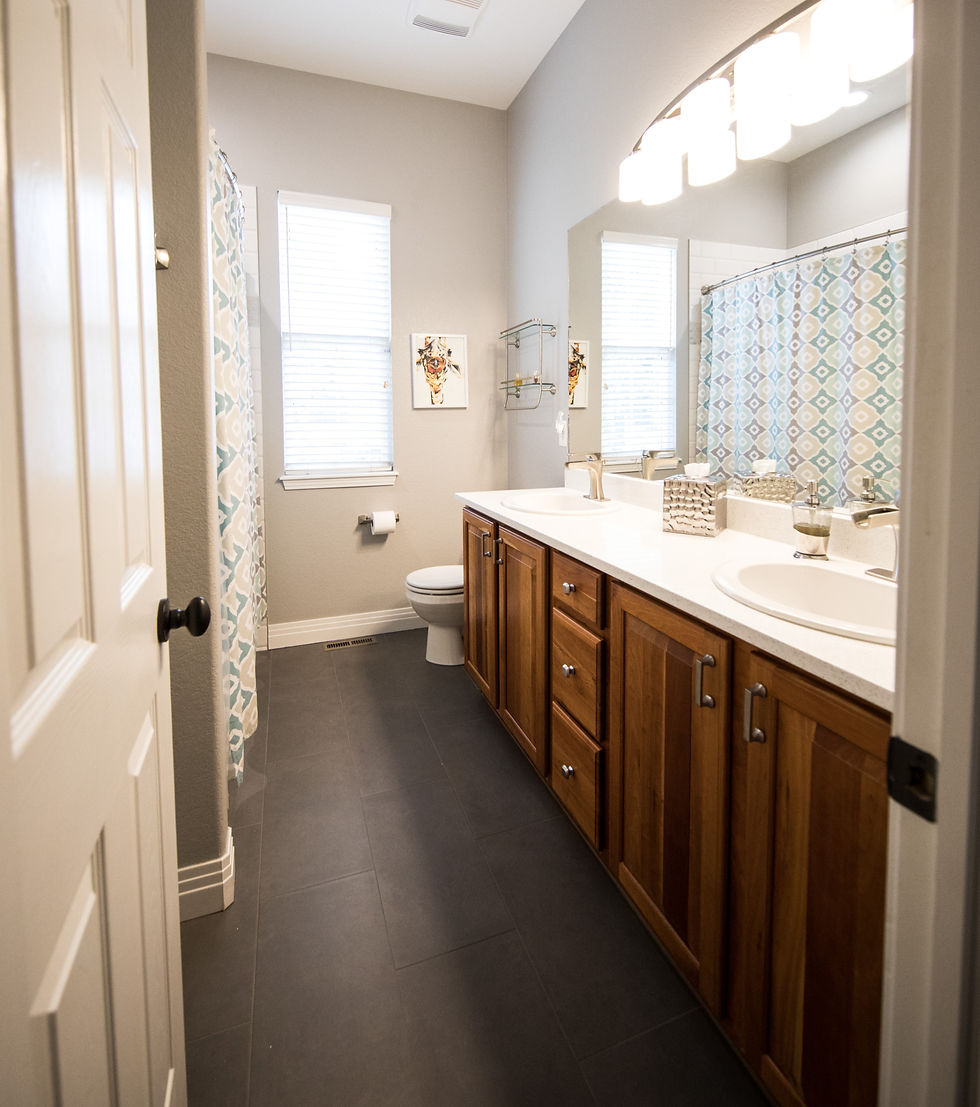
Use Low-Flow Fixtures
Admittedly, not everyone loves low-flow fixtures. People tend to be impatient, and a blast of water has a way of being more satisfying than a slower trickle.
With that said, for anyone interested in sustainability and cost effectiveness, low-flow fixtures are the way to go. By choosing efficient showerheads, sink faucets, and toilets, homeowners can save on water consumption and utility costs--all while conserving scarce environmental resources. Low-flow toilets use approximately 1.6 gallons of water per flush, which is a stark savings over older models that used 7 gallons or more. For showerheads, the goal is to find an option that uses 2.5 gallons per minute (GPM) or less for optimal efficiency.
Install Radiant Floor Heating
Everyone wants to create a serene, spa-like experience for their bathroom. As such, it is crucial to have temperature control down to a science. It is difficult to relax and unwind if you’re shivering during shower time.
In order to keep the restroom nice and toasty without kicking the furnace into overdrive, it is important to have sustainable insulation in the bathroom walls, floors, and ceilings. This will help keep temperatures stable for optimal energy efficiency.
It is also worthwhile to explore radiant floor heating for bathrooms. This innovative system uses a series of app-controlled, electric subfloor mats. When activated, they disperse heat up through the floor in a stovelike manner. This direct approach to heating offers more consistent warmth than standard forced-air systems. While there is a bit of an upfront cost with radiant floor heating, the improved heating efficiency can end up paying for the initial investment over time.
Redo the Grout
Everyone wants a bathroom that looks the part. It sets the ambiance and has a transformative effect on the entire home.
With that said, many bathroom makeovers cost a pretty penny. Even a mid-range remodel that aims to replace flooring, shower tile, countertops, and backsplash will run well into the five figures, possibly costing $30,000 or more depending on square footage and the area in which you live.
The good news is that there is some small detail work that can pack a cosmetic punch at a fraction of the cost. Redo the grout on the tile and backsplash. Freshen up the caulking around all transitional areas. Replace door knobs and sink handles. And if the project grows into something bigger, like pulling up old tile or ripping out a vanity, renting a residential dumpster is worth considering. It keeps debris contained, saves multiple trips to the dump, and honestly makes the whole job feel more manageable.
Paint the Walls
Proper wall painting carries a little extra weight in the bathroom. Because the walls will come into direct contact with moisture and experience higher heat and humidity than other areas of the house, the threat of mold and mildew growth is exacerbated without a top-notch protective layer.
When repainting bathroom walls, it is crucial to choose a moisture-resistant paint. To achieve desirable aesthetics, explore various paint strippers to clean the walls for a fresh surface for the most even, uniform application possible.

Create a Focal Point
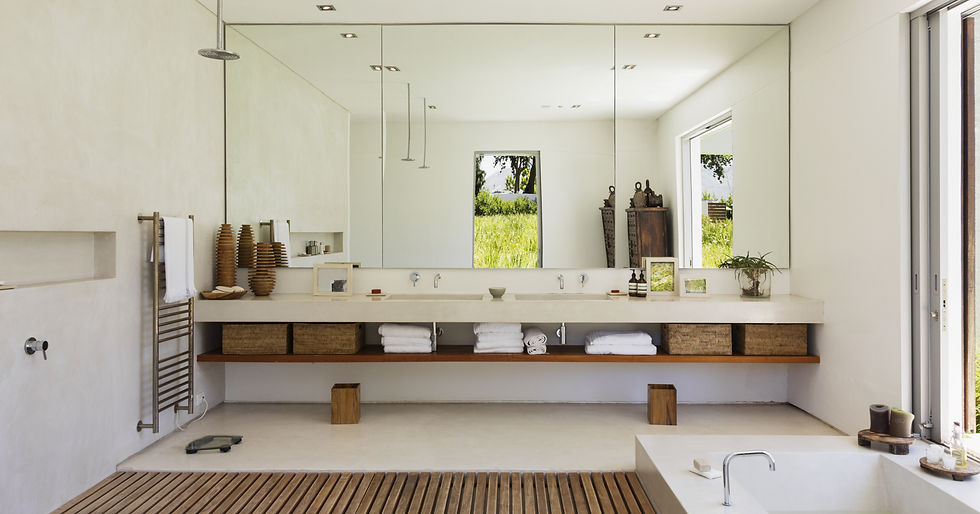
Sometimes, creating an awe-inspiring bathroom is not in the budget. Fortunately, a single awe-inspiring feature can do the trick. A freestanding bathtub can turn an otherwise mundane bathroom into a spa. An oversized mirror can reflect light and brighten up the space. A white shiplap wall provides some warming texture for a resort-style feel.
Next-Level Pipe Protection
The bathroom is an origin point for most of the home’s subterranean pipe system. At the least, the shower, sink, and toilet are three bathroom features that will require consistent inflow and outflow of water to function properly.
A breach to any of the plumbing can be difficult and costly to repair. For water supply lines, be sure that the pipes are made from copper or cross-linked polyethylene for the utmost durability and compliance with modern codes. For drain pipes, PVC or ABS are typically the recommendation.
It is also worthwhile to consider next-level foundation waterproofing to keep external moisture from compromising subterranean plumbing. This innovative system uses self-adhering mats that attach to foundation walls. Any groundwater flowing toward the foundation passes through this permeable layer and is directed toward a dimple drainage mat. From there, it moves through an underground piping system and away from the home, helping mitigate the risk of moisture-related damage to the foundation or plumbing.
Save Money and Improve Energy Efficiency with Focused Bathroom Renovations
Bathrooms must wear multiple hats. It is important that they conserve costs and resources during the process. From low-flow fixtures to advanced pipe protection, consider any of the ideas listed above for more energy efficient and cost-effective bathrooms. Explore more ideas and start planning your next upgrade by visiting DAR and Design Remodeling.


Comments